
Cero
Significado del símbolo
The Arabic digit zero is one of the numerals that is widely spread around the world. This positional system for writing numbers originated in India in the 5th century or earlier. It was around this time when the concept of zero was adopted and the digit 0 was created. The Arabs borrowed it from the Indians. Al-Khwarizmi wrote a book called «On the Indian Calculation,» which helped to spread the use of Arabic numerals. Later this counting system came to Europe through Spain. Pope Sylvester II advocated for the replacement of Roman numerals with Arabic ones in the 10th century. In the 12th century, Al-Khwarizmi's book «On the Indian Calculation» was translated into Latin, which played an important role in the adoption of Arabic numerals.
El símbolo «Cero» está incluido en el subbloque «Dígitos ASCII» del bloque «Latín básico» y fue aprobado como parte de la versión 1.1 de Unicode en 1993.
Elige un estilo de imagen para el emoji y ábrelo en tamaño completo. Todas las imágenes se pueden descargar y utilizar en diseños y presentaciones.


🛈 Las imágenes de emoji son propiedad de sus respectivos titulares de derechos. Solo para vista previa. Sigue siempre las condiciones de licencia de cada proveedor.
🛈 Imágenes con licencia abierta. Descarga y uso gratuitos según las condiciones de {{licence}}. Puede ser necesaria la atribución.
| Nombre en Unicode | Digit Zero |
| Número en Unicode | |
| Plano | 0: Plano básico multilingüe |
| Bloque Unicode | Latín básico |
| Subbloque Unicode | Dígitos ASCII |
| Versión Unicode | 1.1 (1993) |
| Código Alt |
| Tipo de soporte de espejo emparejado (bidi) | None |
| Exclusión de composición | No |
| Cambio de caso | 0030 |
| Cambio de caso sencillo | 0030 |
| ID_Continue | + |
| XID_Continue | + |
| Grapheme_Base | + |
| scripts | Common |
| Hex_Digit | + |
| ASCII_Hex_Digit | + |
| Codificación | hex | dec (bytes) | dec | binary |
|---|---|---|---|---|
| UTF-8 | 30 | 48 | 48 | 00110000 |
| UTF-16BE | 00 30 | 0 48 | 48 | 00000000 00110000 |
| UTF-16LE | 30 00 | 48 0 | 12288 | 00110000 00000000 |
| UTF-32BE | 00 00 00 30 | 0 0 0 48 | 48 | 00000000 00000000 00000000 00110000 |
| UTF-32LE | 30 00 00 00 | 48 0 0 0 | 805306368 | 00110000 00000000 00000000 00000000 |
Copia y pega estos códigos para usar el personaje Cero en textos de sitios web, redes sociales, mensajeros o publicaciones de blogs.
| HTML | |
| CSS | |
| JavaScript, JSON | |
| Unix, C, PHP, JAVA | |
| Ruby, PHP | |
| Perl |
-
 Arimo
Arimo -
 Cousine
 -
 Inter
Inter -
 Lato
Lato -
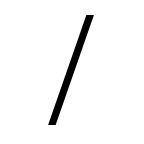 Montserrat
 -
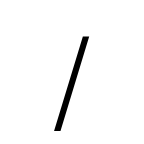 Noto Sans Jp
 -
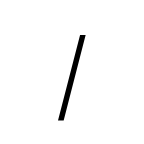 Noto Serif
 -
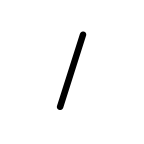 Nunito
 -
 Open Sans
 -
 Oswald
 -
 Poppins
 -
 Raleway
 -
 Roboto
 -
 Tinos
Tinos