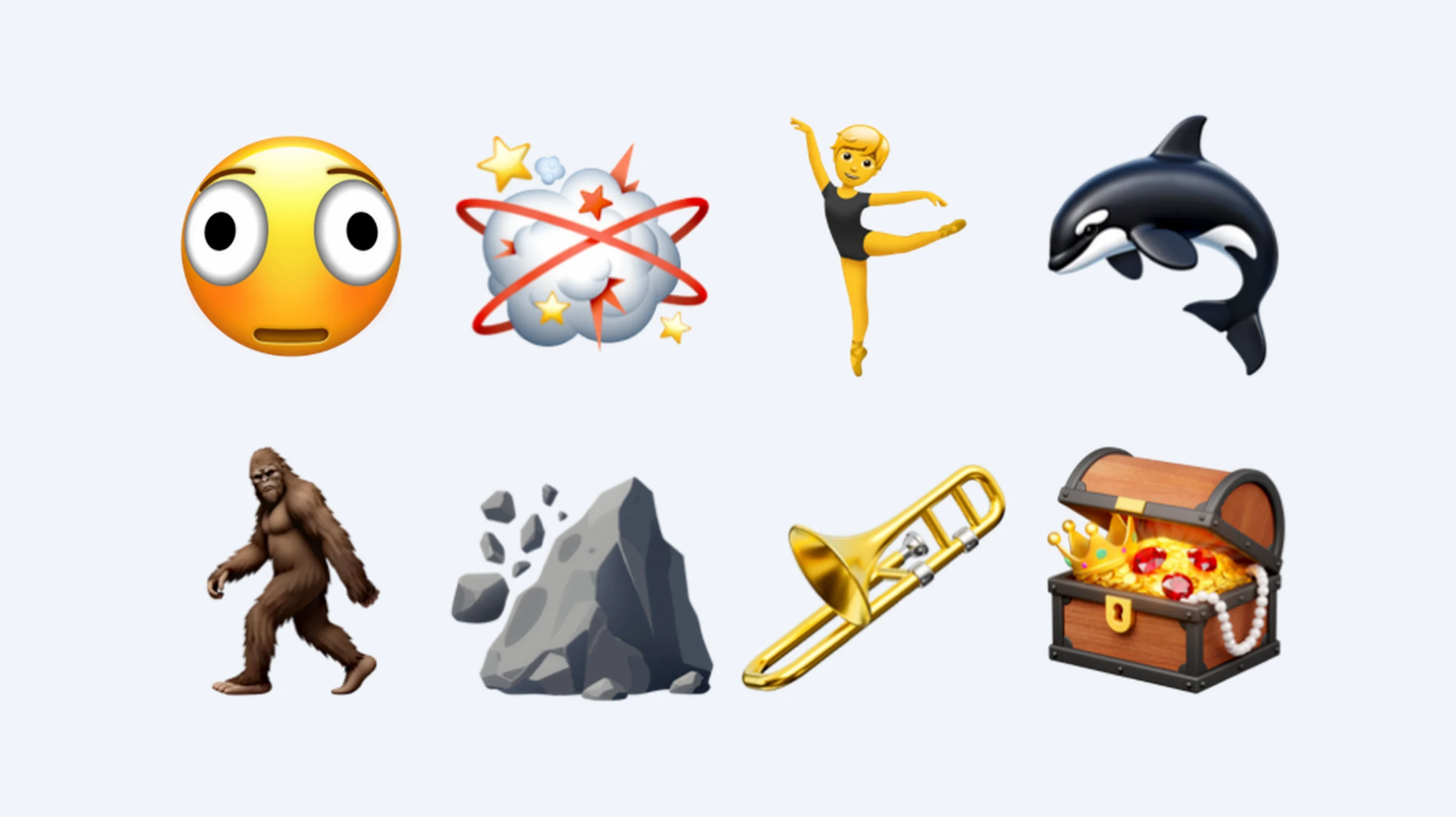

The Unicode Consortium released Unicode 18.0 on September 16, 2026. The new version of the standard includes 13,007 new characters: 3 new scripts, 9 emoji, 3 currency symbols, and other characters. But don’t expect hundreds of new emoji, arrows, or decorative symbols: around 97% of the release is dedicated to historical writing systems.
New Unicode Characters in 2026
Unicode 18.0 adds 13,007 new characters in total. Most of them belong to 3 new scripts: Small Seal, Jurchen, and Proto-Cuneiform. Small Seal is by far the largest addition, with 11,328 characters. Not exactly the flashiest update for most users, but linguists and ancient history enthusiasts are probably the ones who will appreciate it.
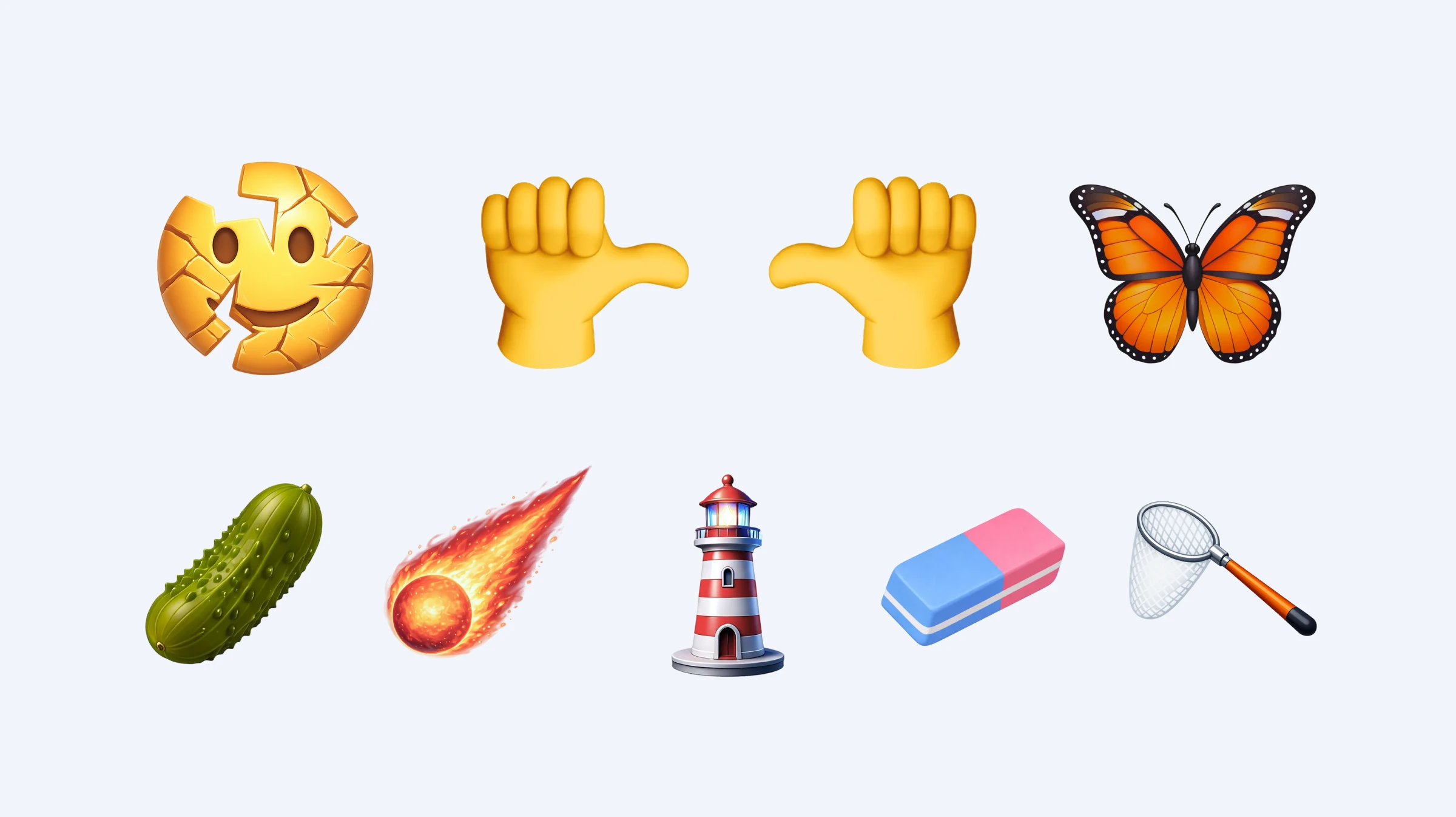
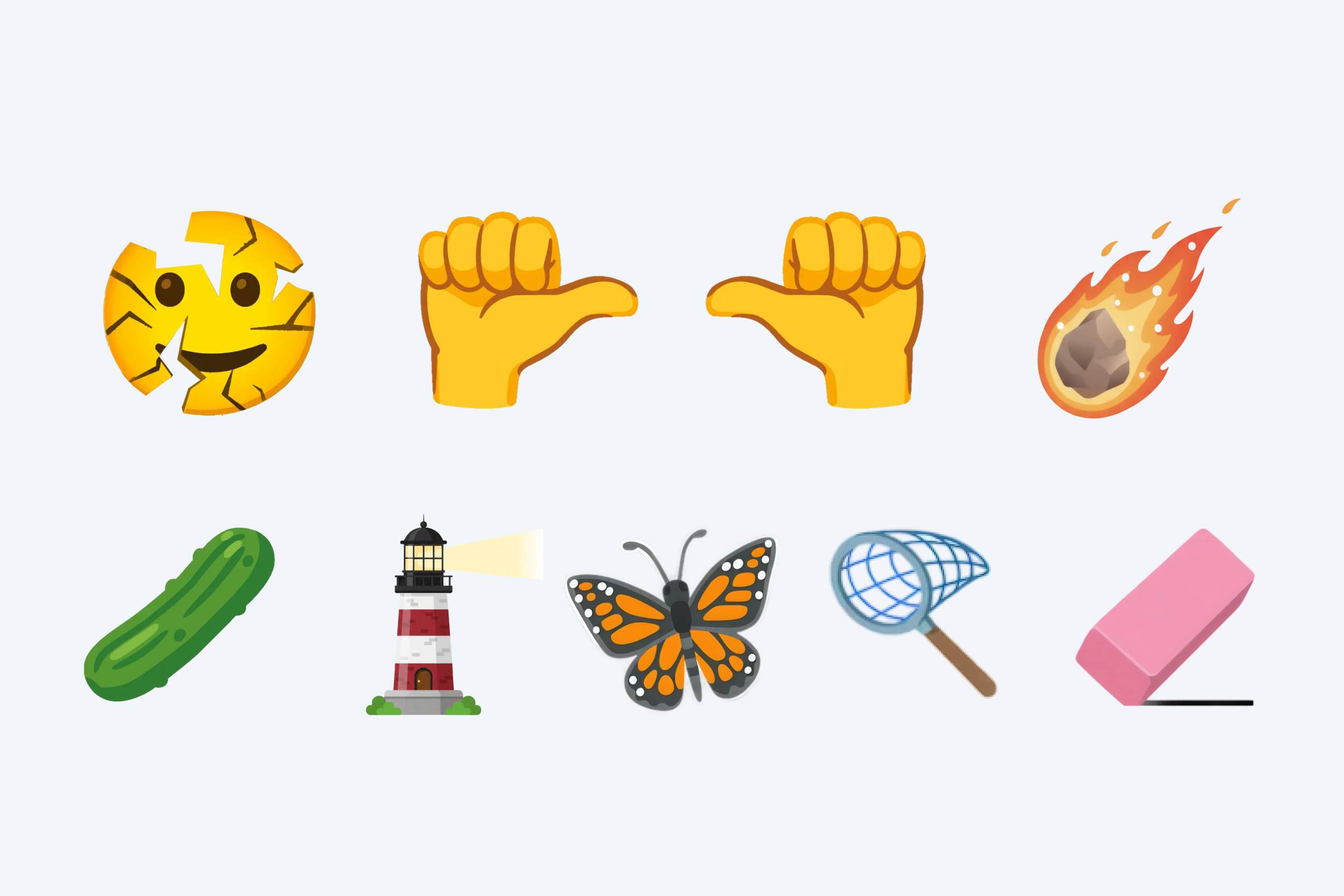
The Unicode Consortium has not forgotten people who mostly need characters for chats and social media, though. Unicode 18.0 includes 9 new emoji:
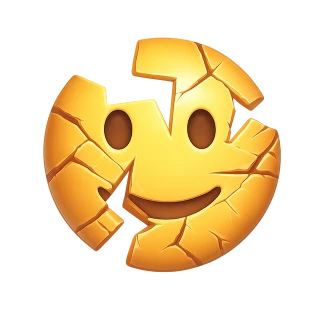 Cracking Face
,
Cracking Face
,
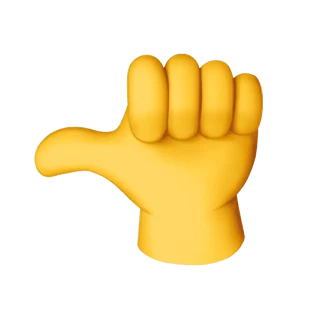 Leftwards Thumb Sign
,
Leftwards Thumb Sign
,
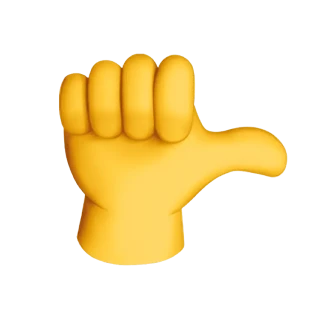 Rightwards Thumb Sign
,
Rightwards Thumb Sign
,
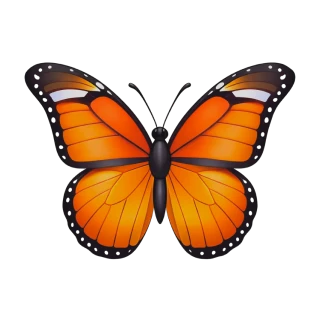 Monarch Butterfly
,
Monarch Butterfly
,
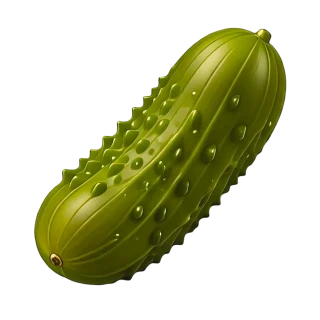 Pickle
,
Pickle
,
 Lighthouse
,
Lighthouse
,
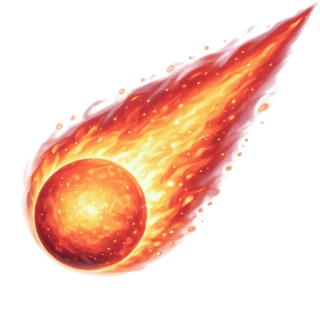 Meteor
,
Meteor
,
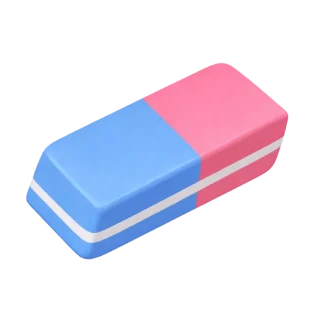 Eraser
, and
Eraser
, and
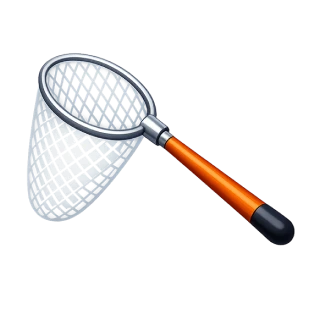 Net With Handle
. We have already covered them in detail in a separate article.
Net With Handle
. We have already covered them in detail in a separate article.
Unicode 18.0 also adds 3 new currency symbols: the Maldivian rufiyaa, the UAE dirham, and the Omani rial. Each was recently approved as the official symbol for its currency.
The release also includes 72 historical mathematical symbols. These rare characters appear in old scientific works and manuscripts and show how the language of mathematics has changed over time.
The collection of musical symbols has grown by 73 characters, including new variants of clefs, rests, accidentals, tremolos, fermatas, and other professional notation. Fortunately, musicians will not have to learn anything new: Unicode has simply caught up with musical practice.
Which Scripts Were Added to Unicode 18.0
Small Seal
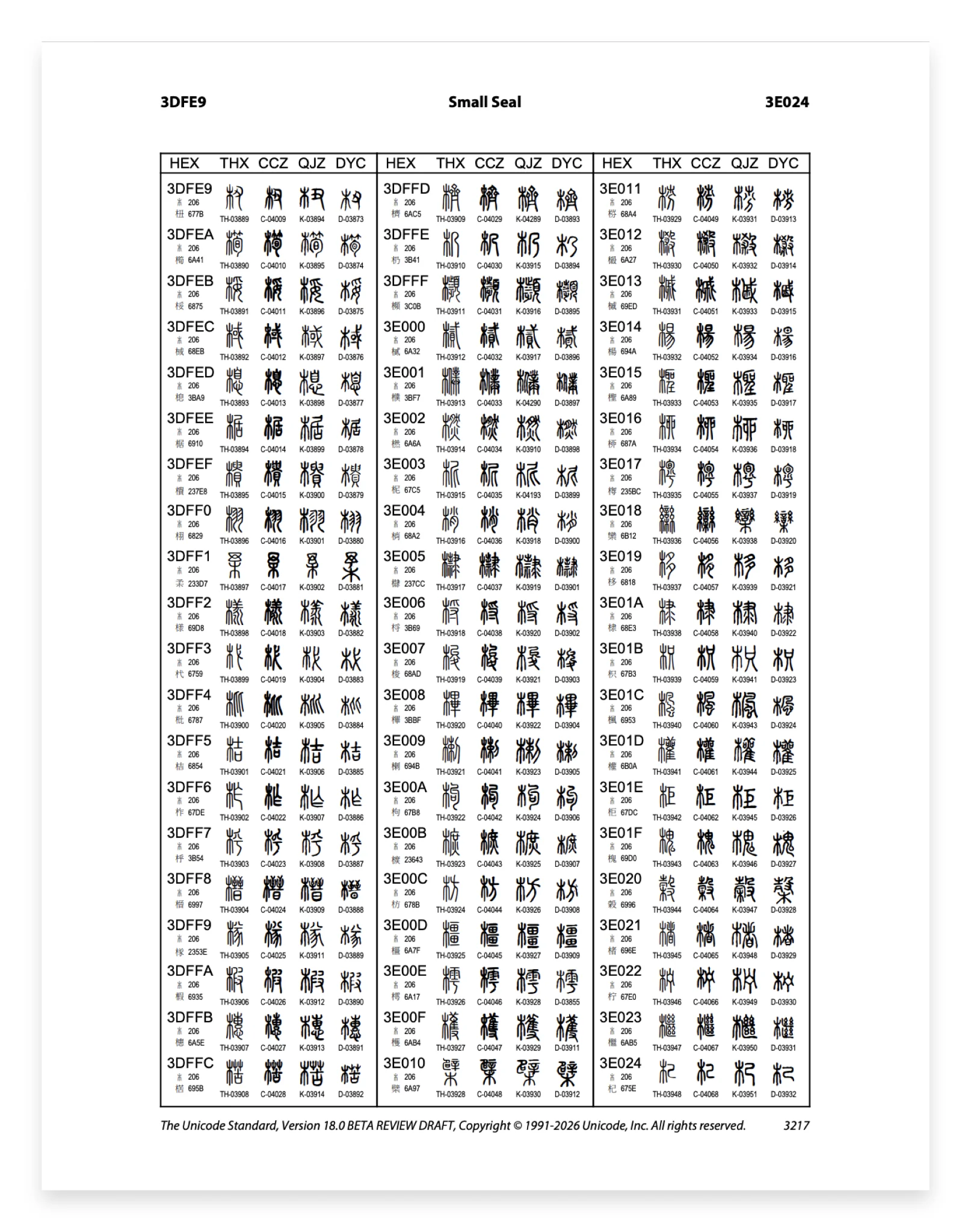
Small Seal is the clear heavyweight among Unicode 18.0’s new scripts: it made its Unicode debut with 11,328 characters.
It is a historical form of Chinese writing and one of the ancestors of modern Chinese characters. These characters appear in ancient texts, seals, and inscriptions. So yes, you can now take an ancient manuscript and type it into a plain text file. Assuming, of course, that you know ancient Chinese.
Jurchen
Another new writing system in Unicode 18.0 is Jurchen, with 914 characters and 51 separate radicals added to the standard. It was used in northeastern China during the Jin dynasty.
To put it simply, Jurchen is not an alphabet like Latin or Cyrillic, but a system of complex signs closer to ideographic writing. Texts written in this script can now be stored, studied, and displayed digitally without relying on images or special workarounds.
Proto-Cuneiform
Proto-Cuneiform comes third among the new scripts, making its Unicode debut with 323 numerical signs. Only this numerical part is included for now, while the remaining characters are planned for future versions.
Proto-Cuneiform is one of the earliest known writing systems. It was used in Mesopotamia toward the end of the fourth millennium BCE. Five thousand years ago, people inscribed these signs on clay tablets. Now they are part of Unicode. Progress in its purest form.
Why Chisoi Did Not Make It into Unicode 18.0
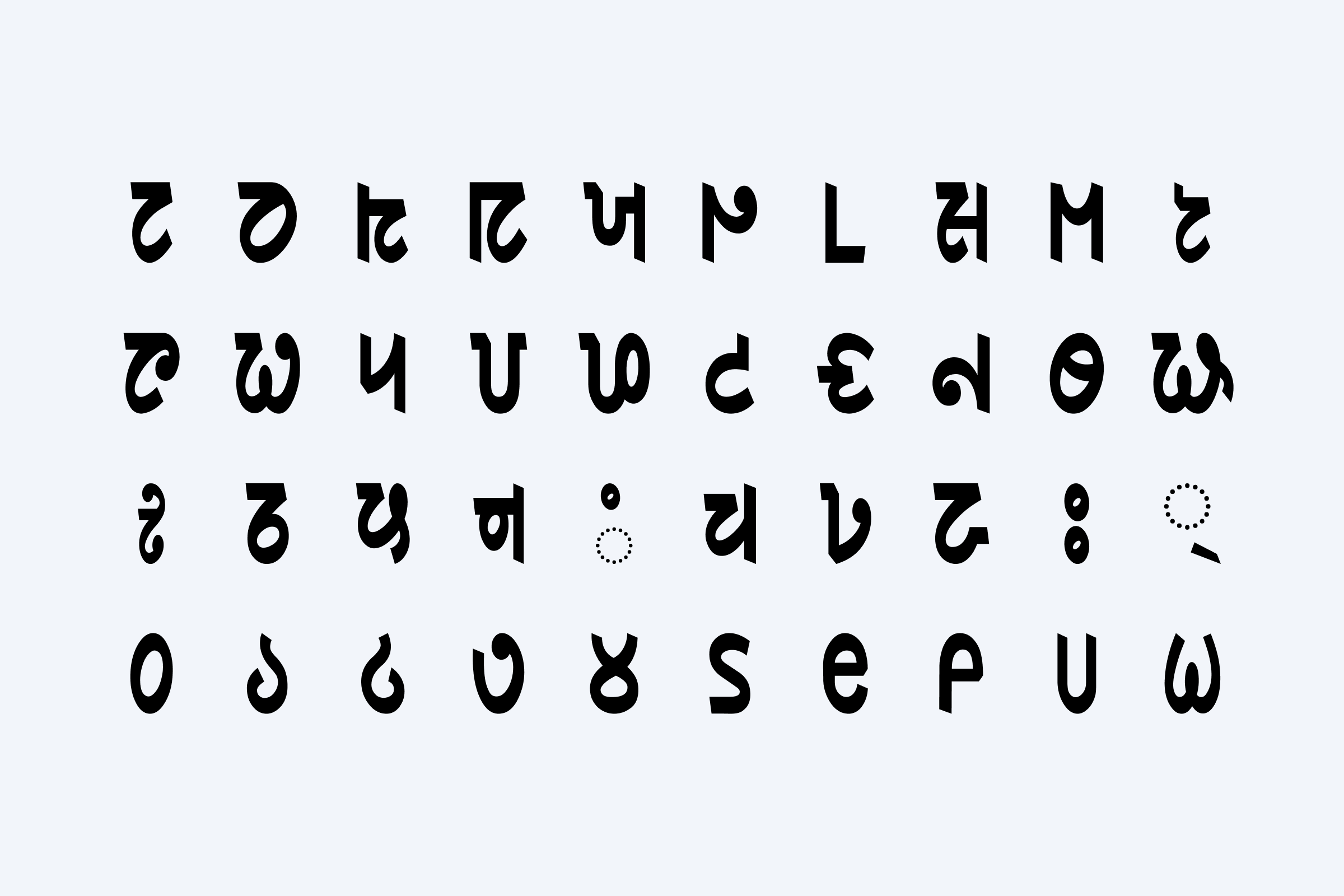
During beta review, the Unicode 18.0 draft included 40 characters from Chisoi, a script used for the Kurmali language in eastern India. After reviewing the proposal, the Unicode Consortium postponed the script until Unicode 19.0. All 40 characters were removed from the final version, reducing the total number of new characters from 13,047 to 13,007.
So Chisoi will have to wait a little longer for its digital debut. We all know what deadlines are like. Apparently, someone at the Unicode Consortium was not quite ready for the final release.
New Currency Symbols
Unicode 18.0 adds 3 new currency symbols:
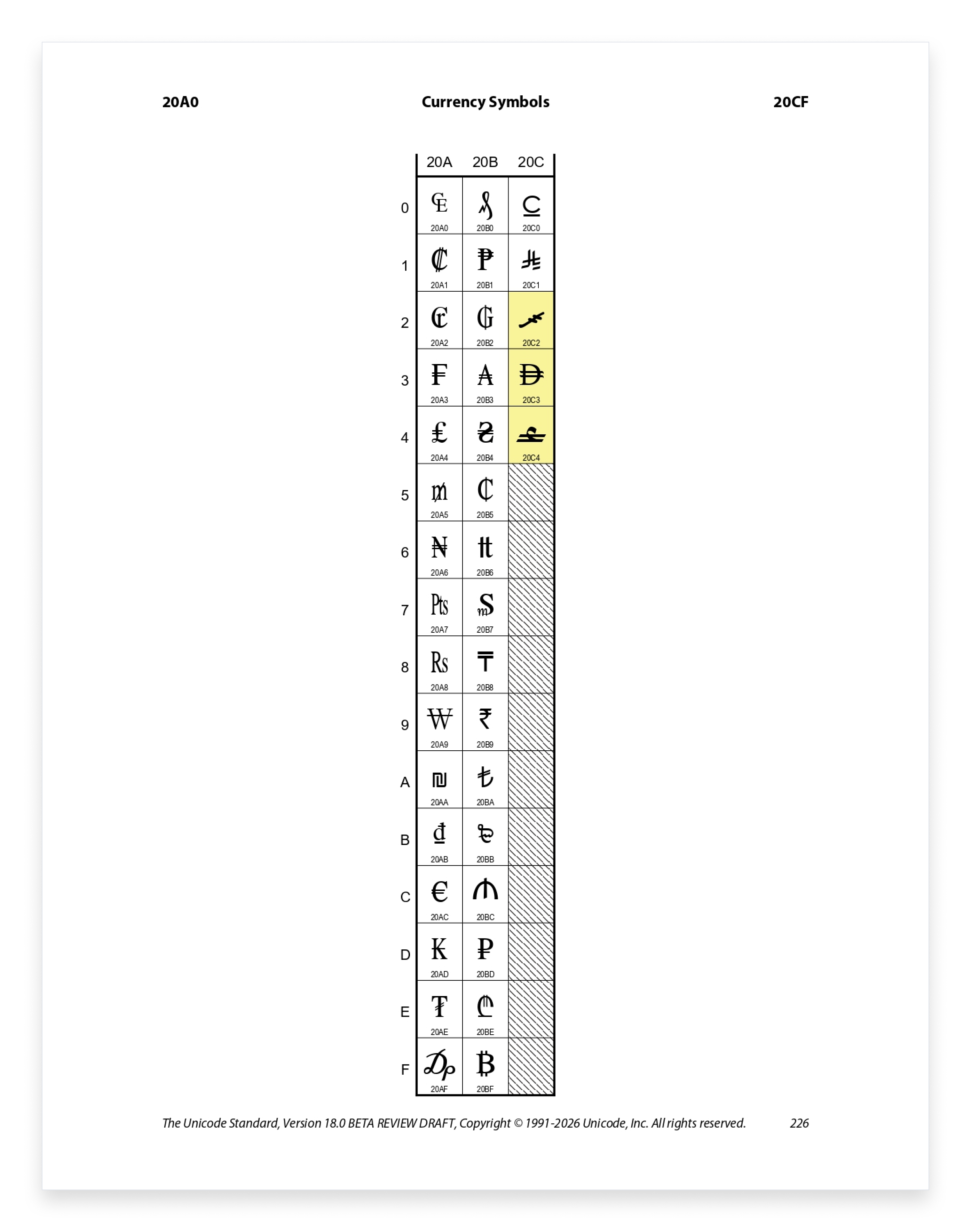
Currency symbols have their own path into Unicode. First, a country approves an official sign for its currency. Then the symbol is proposed for encoding in the standard. That is how it stops being an image from a central bank press release and becomes a regular text character.
Over the past year, several countries have introduced their own currency symbols. The Saudi riyal made it into Unicode 17.0, while the signs for the Maldivian rufiyaa, UAE dirham, and Omani rial were added to Unicode 18.0. They will now need support in operating systems and fonts. Until that support arrives, some devices may display an empty square instead of a shiny new currency sign.
How Unicode 18.0 Was Finalized
Unicode 18.0 went through several stages of development. A public alpha review took place in early 2026, with experts checking the preliminary character set, code points, names, properties, and character images. This stage ended on March 31.
Beta review began on May 26. By this point, the main content of the release had already taken shape, and the review focused on character properties, algorithms, and technical documentation. The public review ended on July 7. After the feedback was considered, Chisoi was postponed until Unicode 19.0, reducing the final number of new characters to 13,007.
Unicode 18.0 was officially released on September 16, 2026, giving us an update where ancient scripts, currency symbols, mathematical characters, and a pickle emoji all somehow belong together. The new characters will now gradually appear in fonts, operating systems, and apps.
Open Character Table